Reviewing the Botanical Border Embroidery Design
As a designer who has spent years staring at screens and watching needles dance over fabric, I have learned that not every machine embroidery design is created equal. Some look stunning in a digital preview but fall flat once thread hits fabric. Others are technically sound but lack soul. Recently, I had the chance to evaluate the Botanical Border Embroidery Design, and I want to share my honest, practical take on how this piece performs in real-world scenarios.
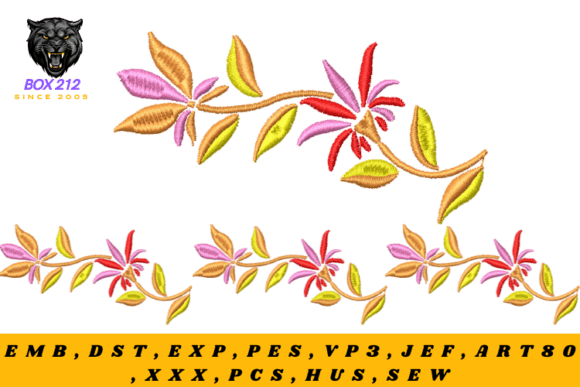
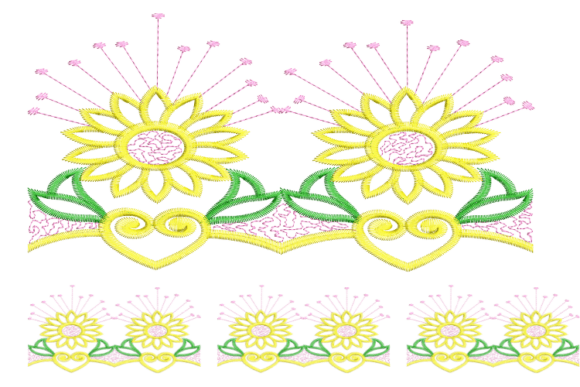
My first impression was one of quiet elegance. This isn’t a loud, flashy motif screaming for attention. Instead, it features digital embroidery of elegant botanical borders, where leaves and plant elements intertwine seamlessly to form a soft and inviting frame. The visual personality is organic and fluid, avoiding the rigid, geometric stiffness that plagues many lower-quality embroidery files. For those of us creating handmade products, this subtlety is a major asset. It suggests quality without shouting about it.
Real-World Application: The Custom Tote Test
To truly understand the value of any design assets, you have to imagine them on actual goods. I mentally placed this border on a heavy canvas tote bag, a staple item for many Etsy sellers and small shop owners. The way the leaves curl and overlap creates a natural boundary that frames text or a central logo beautifully. If you are a craft business owner looking to elevate a simple tote bag design, this border provides that boutique finish customers love.
I also considered its use on custom apparel. Imagine this stitched along the hem of a linen apron or the cuff of a sweatshirt. The Botanical Border Embroidery Design works exceptionally well here because it doesn’t overwhelm the garment. It acts as a sophisticated accent rather than a dominant graphic. For baby embroidery projects, such as a blanket edge or a nursery decor pillow cover, the soft lines feel safe and welcoming, which is crucial for products targeting new parents.
Stitch Quality and Technical Performance
When we talk about technical performance, we are looking at stitch density and pathing. While I cannot give you exact stitch counts without the specific file data, the visual complexity suggests a balanced mix of fill stitch and satin stitch work. The leaves appear to have enough density to cover the fabric well, preventing gaps that can ruin the look of a finished product. However, this also means you must pay attention to your stabilizer choice.
For a project like this, using the wrong stabilizer could lead to puckering, especially if you are working with lighter fabrics. If you are stitching on a textured fabric like terry cloth for a towel, ensure your underlay is sufficient to keep the design floating above the pile. On smooth cottons or poly-blends commonly used for commercial embroidery, the design should lay flat and crisp. Always test the design on scrap fabric first. This is non-negotiable for professional results.
Navigating Fabric and Hoop Constraints
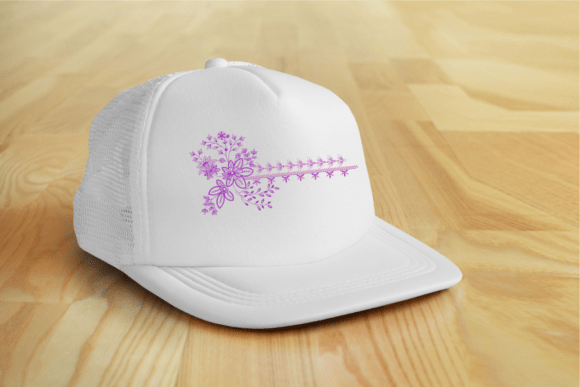
One area where caution is needed is with curved surfaces. If you plan to use this on caps or hats, be mindful of the hoop size and the curvature of the brim. A long, continuous border might distort if the fabric pulls unevenly during stitching. Similarly, on stretchy fabrics like jersey tees, proper hooping and stabilization are critical to maintain the integrity of the intricate leaf details.
Dark fabrics present another challenge. If you are stitching light thread colors on dark fabric, you may need to adjust your thread colors or add an underlay to prevent the background from showing through the fill areas. Conversely, on light fabrics, ensure your thread colors have enough contrast to make the botanical details pop. I recommend testing it in black and white mockups first to check for clarity before committing to colorful threads.
Commercial Viability and Brand Consistency
For Etsy sellers and digital product sellers, the versatility of this embroidery project is a strong selling point. It fits seamlessly into trends focused on nature, wellness, and slow living. Whether you are creating holiday embroidery for seasonal gifts or year-round personalized gifts, this border adds a layer of professionalism that builds customer trust.
From a branding perspective, consistency is key. If your small shop product line relies on earthy tones and natural motifs, this design aligns perfectly. It enhances brand recognition by providing a cohesive look across different items, from embroidered patches to kitchen towels. Buyers engage more with products that feel thoughtfully designed, and this border delivers that aesthetic effortlessly.
Practical Designer Notes
Before you download or purchase, keep these practical tips in mind:
- Check Licensing: Confirm whether the license allows for commercial use if you plan to sell finished items or digital products. Never assume.
- Verify File Formats: Ensure the digital embroidery file is compatible with your specific machine. Common formats include PES, DST, and JEF, but always double-check.
- Inspect Details: Zoom in on the preview. Look for potential jump stitches or dense areas that might cause thread breaks.
- Test Thread Contrast: Choose thread colors that complement the fabric texture. Monochromatic schemes often look more high-end for this style.
- Hoop Size Matters: Make sure your hoop can accommodate the full length of the border without needing to re-hoop, which can cause alignment issues.
In conclusion, the Botanical Border Embroidery Design is a thoughtful addition to any designer’s library. It balances aesthetic appeal with practical usability, making it suitable for a wide range of applications from custom apparel to home decor. By respecting the technical requirements of stitch density and fabric choice, you can create stunning, high-value items that resonate with buyers. It is not just a pattern; it is a tool for elevating your craft business and delivering quality that speaks for itself.