Review: Fancy Western Boot Mini Embroidery
As an embroidery designer who has spent years digitizing and testing files for commercial use, I approach every new machine embroidery design with a critical eye. It is not just about whether the image looks cute on a screen; it is about how it performs under the needle, how it holds up in the wash, and most importantly, how it serves the brand identity of the small business using it. Recently, I evaluated the Fancy Western Boot Mini Embroidery file, and I want to share my professional assessment for fellow decorators, Etsy sellers, and boutique owners looking to elevate their small business merch.
First Impressions and Visual Personality
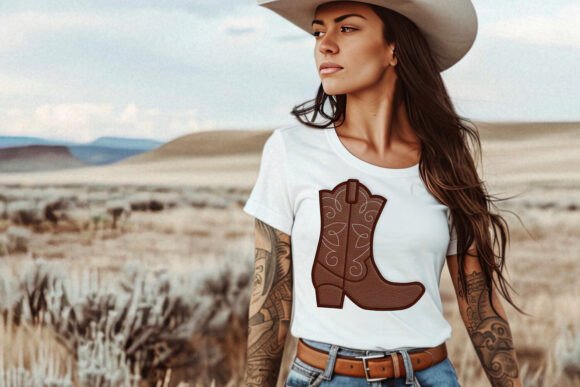
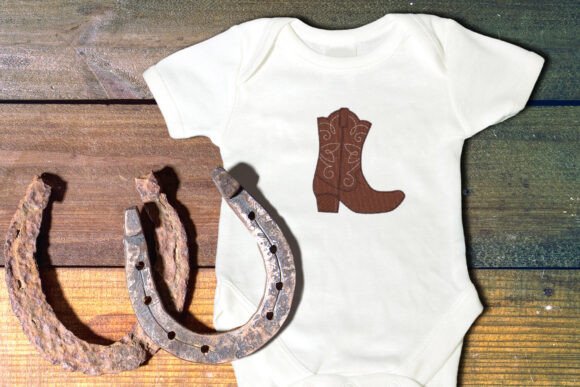
The title alone sets a specific tone. "Calling all cowpokes" suggests a playful, rustic, and welcoming vibe. When I opened the preview for this digital embroidery file, I was looking for clarity. The design features a western boot with fancy embroidered details, which immediately signals that this is not a basic silhouette. It has character. For brands in the Farm sector, country boutiques, or even urban cafes with a rustic aesthetic, this visual personality is gold. It feels handmade yet polished, striking a balance between traditional Embroidery heritage and modern commercial appeal.
The inclusion of four sizes ranging from 1.5 inches to 3 inches is a significant advantage. In the world of custom apparel, versatility is key. A 3-inch design might be too large for a subtle chest logo, but perfect for a back patch. Conversely, the 1.5-inch version is ideal for delicate accents. This range allows designers to adapt the asset across various product lines without losing the integrity of the motif.
Real-World Business Applications
Let us discuss where this design truly shines in a commercial setting. I tested the concept mentally against several common merchandise items, and the results were promising.
- Embroidered Patches: This is perhaps the strongest use case. The detailed stitching on the boot lends itself beautifully to a twill or felt backing. A circular or shield-shaped patch featuring this boot could become a signature badge for a local rodeo team, a country music festival, or a western wear retailer.
- Apron Embroidery: For bakeries, florists, or baristas who want to project a warm, artisanal image, placing this design on the upper left chest of a canvas apron adds instant charm. It signals craftsmanship and attention to detail.
- Cap Embroidery: The smaller sizes (1.5 to 2 inches) are well-suited for cap fronts. However, curvature is a challenge. The design must be tested to ensure the "fancy details" do not bunch up on the curved surface of a baseball cap.
- Tote Bag Design: Canvas tote bags are a staple for handmade brands. Placing this boot design near the bottom corner or centered on the front creates a stylish, understated look that customers will actually want to carry around, serving as free advertising.
For Etsy sellers and crafters, this design can be used to create ready-to-ship items or offered as part of a custom order package. It enhances the perceived value of a plain garment, turning a simple t-shirt into a branded piece of handmade product art.
Technical Considerations and Caution Areas
While the aesthetic is strong, we must address the technical realities of production. The description mentions "fancy embroidered details." In digitizing terms, this often implies higher stitch density and finer line work. Here is where caution is required.
When working with the smallest size (1.5 inches), those fancy details can become muddy if the thread tension is not perfect or if the fabric is textured. I strongly advise running test stitches on scrap fabric before committing to a client's garment. Check the spacing between the decorative elements on the boot. If they are too close, they may merge into a solid blob of thread, losing the definition that makes the design special.
Additionally, consider the thread colors. Western boots are traditionally brown, tan, or black, but the "fancy" details might call for contrasting colors like turquoise, red, or gold. Ensure there is enough contrast between the boot body and the details so the design reads clearly from a distance. On dark uniforms, you may need to use a lighter underlay or choose thread colors that pop against the background fabric.
Another critical factor is the hoop size compatibility. The file comes in eight formats including DST, EXP, HUS, JEF, PEC, PES, VP3, and XXX. This broad compatibility is excellent for most modern machines. However, always confirm that your specific machine can handle the largest size (3 inches) within your chosen hoop without hitting the clamps or edges, especially if you are doing multi-hoop projects.
Impact on Brand Identity and Trust
Why does this matter for your business? Because consistency builds trust. Using a high-quality, well-digitized design like Fancy Western Boot Mini Embroidery contributes to a cohesive brand identity. When a customer sees the same crisp, clean logo on your website, your packaging, and your staff uniforms, it reinforces professionalism.
Poorly executed embroidery—where threads break, designs pucker, or details are lost—can damage a brand's reputation. Conversely, a sharp, well-stitched boot emblem tells the customer that you care about quality. It elevates the finished product from a commodity to a curated item. For businesses in the agricultural or rural lifestyle sectors, this design communicates authenticity. It says, "We understand the culture," which fosters deeper engagement with your target audience.
Practical Designer Notes for Production
Before you load this file into your machine for a production run, follow these steps to ensure success:
- Test in Black and White: Before selecting your final thread palette, stitch out the design in black thread on white fabric. This helps you see the structure and density without the distraction of color. If it looks good in monochrome, it will look great in color.
- Check Stabilizer Requirements: Given the detailed nature of the boot, use a cut-away stabilizer for stretchy fabrics like t-shirts to prevent distortion. For woven fabrics like canvas totes or denim, a tear-away might suffice, but test first.
- Create a Printable Mockup: Use the provided sizes to create a digital mockup for client approval. Show them how the 2-inch version looks on a pocket versus the 3-inch version on a back panel. This manages expectations and reduces revision requests.
- Verify Commercial Licensing: Always read the license terms included in the zip file. Ensure that your intended use—whether selling physical goods or offering customization—is covered. Most designers allow physical sales but restrict the resale of the digital file itself.
- Inspect Fabric Texture: Avoid using this design on highly textured fabrics like thick fleece or looped towels unless you are experienced with topping. The fine details may get lost in the pile.
In conclusion, the Fancy Western Boot Mini Embroidery is a versatile and charming asset for any designer working with rustic or western-themed brands. With careful attention to stitch density, thread contrast, and stabilizer choice, it can become a cornerstone of your commercial embroidery offerings. It is not just a design; it is a tool for building a recognizable, trusted brand presence in a competitive market.